Imagenetix Natural Ingredient Selection Principles
Imagenetix selects natural components to maximize safety, clinical relevance, and measurable outcomes. Decisions prioritize peer reviewed evidence, standardized sourcing, and manufacturing controls that preserve active constituents. Formulas emphasize targeted doses and ingredient synergies shown in human trials, with transparency in traceability and third party verification for heavy metals, microbial contamination, and potency.
Key ingredient categories and product offerings
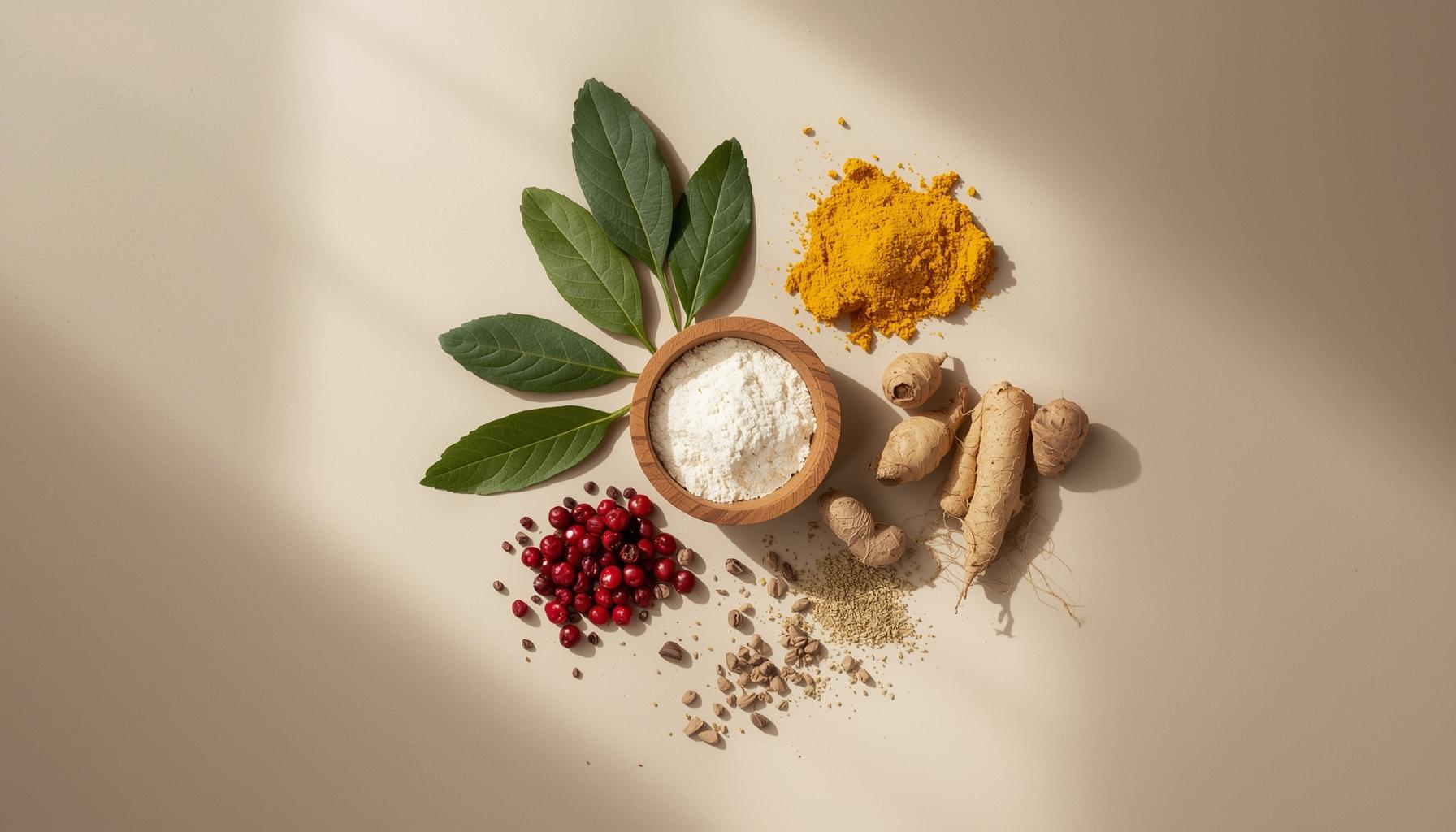
Imagenetix product lines cover joint health, skin and connective tissue care, metabolic support, and gut resilience. Core ingredients used across these lines are animal and marine collagens, hyaluronic acid, classic joint-building molecules, botanical anti inflammatories, antioxidants, targeted vitamins and minerals, specialty peptides, omega lipids, enzymes and probiotics. Product naming reflects primary function while labels show exact ingredient form, standardized extract strengths, and per serving amounts.
Below is a compact comparative overview of common ingredient forms, typical clinical dose ranges, and primary functional rationale. The values reflect industry consensus and selected human trials used to inform Imagenetix formulations.
| Ingredient group | Typical forms used | Common clinical dose range | Rationale and evidence highlights |
|---|---|---|---|
| Collagen peptides | Bovine Type I/III, Marine Type I, porcine blends; hydrolyzed peptides 2–5 kDa | 2.5–10 g/day | Supports skin elasticity and cartilage; 2019 RCTs report improvements in joint pain and skin hydration with 5 g/day. |
| Hyaluronic acid | Oral low and high molecular weight HA | 100–200 mg/day | Improves joint lubrication and skin moisture; 2016 randomized trials show symptom reduction at 120 mg/day. |
| Glucosamine / Chondroitin / MSM | Glucosamine sulfate, chondroitin sulfate, methylsulfonylmethane | Glucosamine 1500 mg; chondroitin 800–1200 mg; MSM 1000–3000 mg | Structural precursors for cartilage; GAIT (NEJM 2006) showed subgroup benefits; many trials support symptom relief. |
| Turmeric / Curcumin / Boswellia | Curcumin phytosome, BCM-95, Boswellia serrata standardized to AKBA | Curcumin 250–1000 mg with bioenhancer; Boswellia 100–600 mg | Anti inflammatory activity comparable to low dose NSAIDs in some trials; bioavailability critical. |
| Antioxidants / Polyphenols | EGCG green tea, resveratrol, grape seed proanthocyanidins | EGCG 100–300 mg; resveratrol 100–500 mg | Reduce oxidative stress, support vascular and metabolic health; human dose ranges vary. |
| Vitamins & minerals | Vitamin C, D3, K2, zinc, selenium, magnesium, calcium | Vitamin C 60–500 mg; D3 1000–2000 IU; K2 45–100 mcg | Cofactors in collagen synthesis and bone remodeling; doses aligned with RDAs and evidence for synergy. |
| Amino acids & peptides | Glycine, proline, hydroxyproline, specialty peptides | Glycine 1–3 g; peptides per formula | Building blocks, signaling peptides for tissue repair. |
| Omega fatty acids | EPA / DHA from fish oil, algal DHA | EPA+DHA 250–1000 mg | Anti inflammatory lipids, joint and cardiovascular support; IFOS or similar certification recommended. |
| Enzymes & digestive support | Protease, bromelain, papain, lipase | Protease units standardized; bromelain 500–2000 mg | Aid absorption and inflammatory modulation when co administered with proteins. |
| Probiotics | Lactobacillus, Bifidobacterium strains | 1–50 billion CFU per serving | Gut barrier integrity, immune modulation; strain specific effects documented. |
Synergy, dosing strategies, evidence base, and safety

Formulation follows dose based on human trials rather than novel proprietary concentrations. Collagen peptide blends are paired with vitamin C to support hydroxylation and cross linking of collagen molecules. Hyaluronic acid is combined with glucosamine for complementary mechanical and biochemical joint support. Curcumin complexes use bioavailability enhancers such as phospholipid phytosomes or black pepper extract to achieve plasma exposure comparable to doses used in clinical studies published between 2015 and 2022. Glucosamine and chondroitin dosing follows GAIT and subsequent meta analyses showing optimal effects near 1500 mg and 800–1200 mg respectively.
Safety practices require allergen labeling for shellfish derived glucosamine or marine collagen, and clear contraindication statements for people on anticoagulants when formulations include high dose omega 3s, vitamin K modulation, or concentrated botanical extracts. Reported adverse events in clinical trials are generally mild and include gastrointestinal discomfort. Imagenetix recommends consulting healthcare providers before combining concentrated botanicals with prescription medications.
Quality assurance, sourcing, and environmental commitments
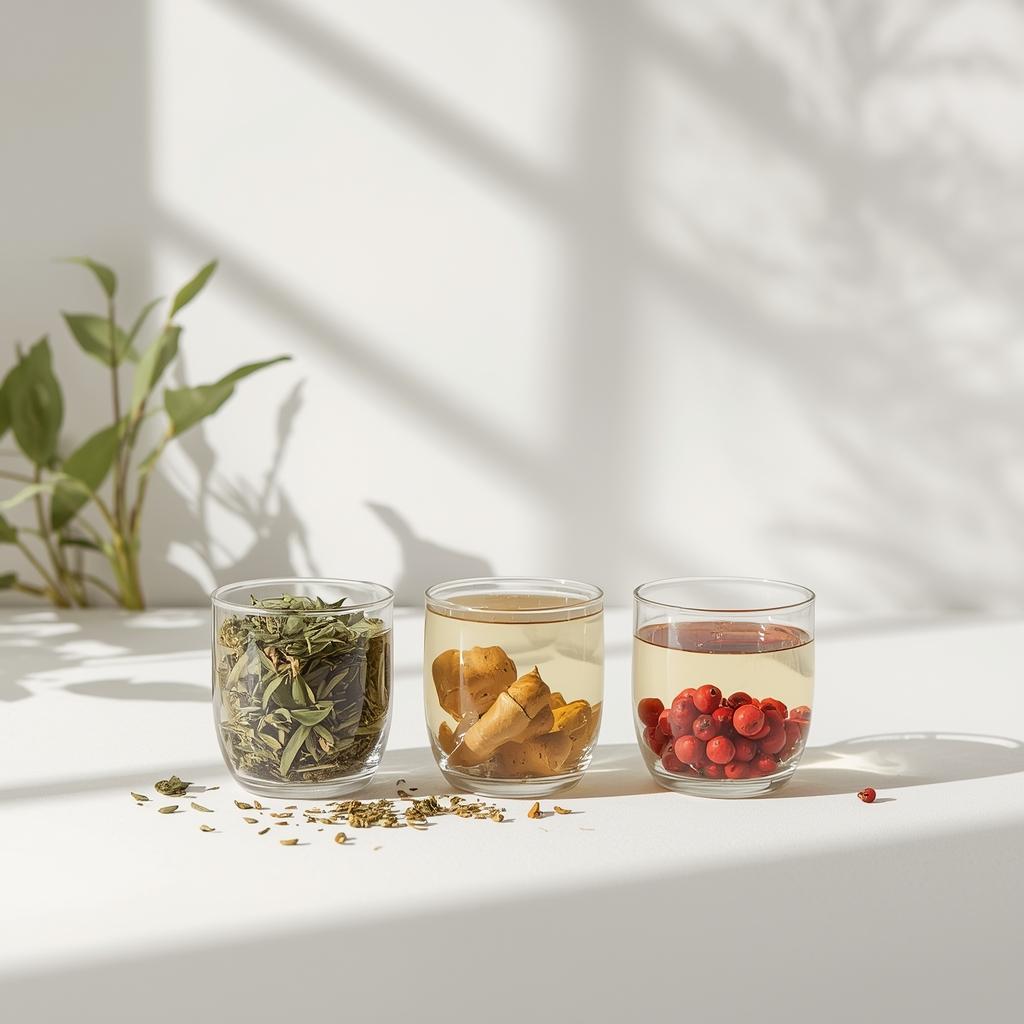
Supplier qualification requires current certificates of analysis, supplier audits, and compliance with Good Manufacturing Practice. Preferred suppliers hold ISO 9001 or equivalent, and for marine collagens and fish oils Imagenetix sources IFOS or MSC certified materials where feasible. Bovine collagen is procured from New Zealand grass fed herds with documented traceability. Turmeric and boswellia suppliers are evaluated for residual pesticide testing and fair labor documentation. All batches undergo third party testing for heavy metals, mycotoxins, microbial limits, and potency verification by accredited laboratories. Packaging choices emphasize recyclable materials and reduced single use plastics where product stability allows.
How to interpret labels and choose products
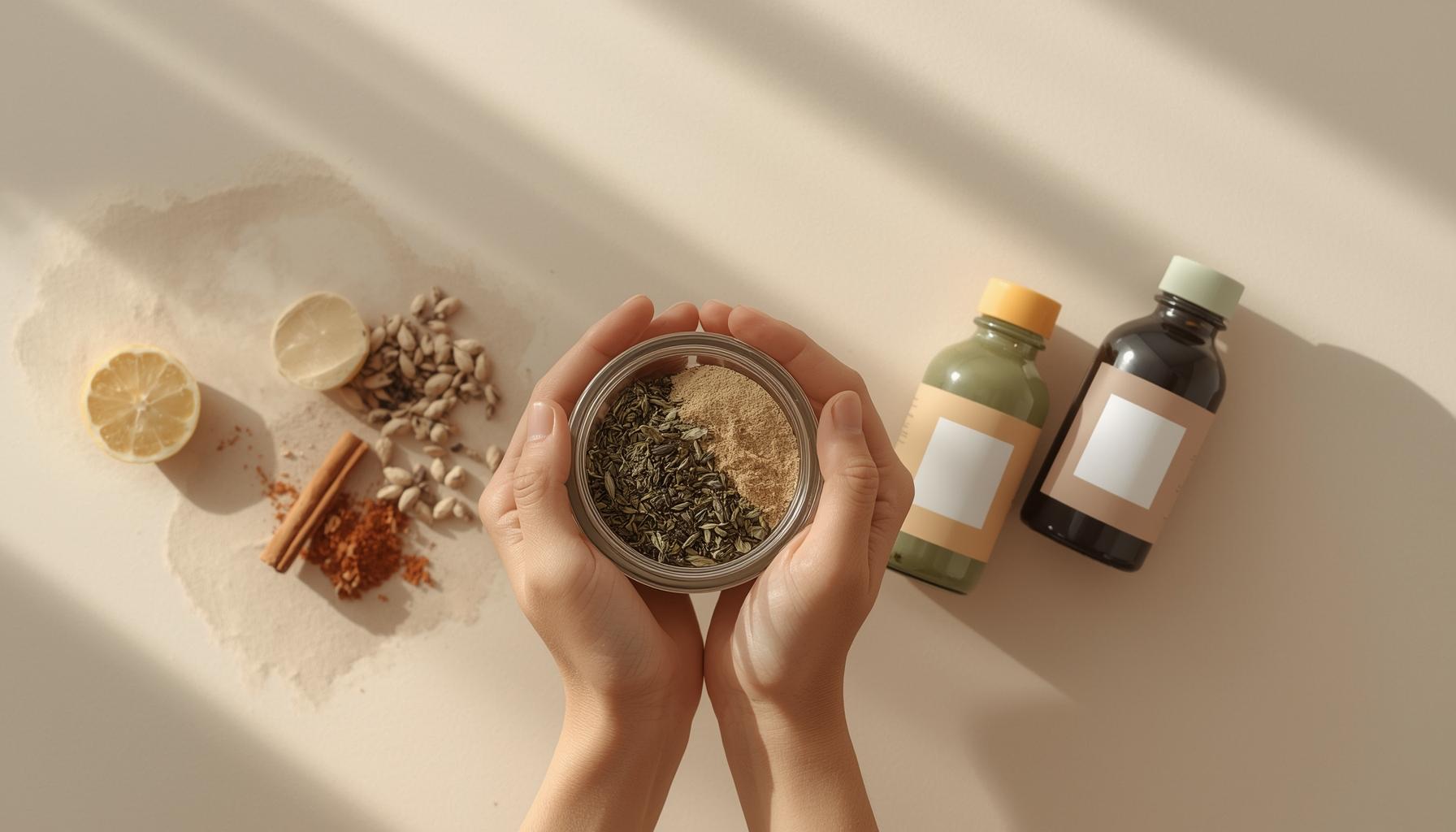
Labels show ingredient form, standardized extract percentage when applicable, and per serving amounts. Look for explicit forms such as "glucosamine sulfate 1500 mg," "hydrolyzed marine collagen 5 g," or "curcumin phytosome 250 mg." Third party seals from recognized certifiers and batch certificates available by QR code or on the website increase confidence. For joint support, formulas combining collagen peptides, hyaluronic acid, and a curcumin complex with 1000–1500 mg of joint precursors tend to align with clinical evidence. For gut or metabolic support choose strains and CFU counts tied to clinical endpoints.
Innovation pipeline and practical consumer advice
Emerging ingredients under evaluation include collagen matrix signaling peptides, microencapsulated curcumin with sustained plasma profiles, and precision probiotic strains selected for collagen metabolism. Imagenetix monitors ongoing randomized trials and regulatory guidance to evolve formulations.
Consumers should match product composition to personal goals, note potential interactions, and prefer transparently sourced, clinically dosed products with external testing. For persistent symptoms, medical evaluation remains essential before relying solely on supplements.